Philippines' First · Solar + Rain-Hydro EPC Platform

Hybrid solar + rain-hydro power that runs even when the sun doesn't.

We install, maintain, and monitor hybrid solar + rain-hydro systems for homes, farms, and municipalities across Region VI — cutting electricity bills by 60–80% and delivering 24/7 generation.

Capiz · Iloilo · Antique · Aklan
Turnkey EPC — Design to Commissioning
Solar Only upgradeable to Hybrid
Scroll
1.8M+
Region VI Households
Potential addressable market
2,400mm
Annual Rainfall in Capiz
Optimal hydro resource
₱12/kWh
Avg. Electricity Cost
Among highest in ASEAN
₱4.2B Market Potential
Region VI Renewables Market
Est. addressable by 2030
The Gap We Fill

Region VI has a power problem.
We have a working solution.

4–8 hour brownouts are routine. Electricity costs rank among Southeast Asia's highest. And when typhoons hit, pure solar goes dark — precisely when backup power matters most.

☁ The Problem
  • Frequent brownouts disrupt homes, farms, and businesses daily
  • Electricity costs among the highest in Southeast Asia
  • Pure solar fails on typhoon-cloudy days — exactly when power is most needed
  • Rainwater runoff wasted rather than captured as an energy source
  • No local turnkey provider for integrated rain-hydro systems
⚡ Our Solution
  • 24/7 hybrid power: solar charges batteries by day; hydro runs by night and in rain
  • Average monthly bill reduced by 60–80% with full off-grid option
  • Rainwater harvested for domestic, agricultural, AND energy generation
  • Turnkey EPC — design, supply, install, and maintain — single responsible party
  • Flexible entry: Solar Only (₱80K–₱1.3M) or Hybrid Solar+Hydro (₱180K–₱2.2M) — modular, upgradeable at any time
System Architecture
How the system works
Solar panels and the rain-fed micro-hydro turbine both charge the battery through a hybrid inverter — day or night, sun or rain. Stored power runs the home, farm, or resort around the clock. Optional portable power stations tap the fixed battery as overflow backup during extended brownouts or field deployment. Monitoring SaaS tracks performance and flags issues remotely.
  1. Daytime Solar Power PV solar panels capture sunlight, convert it to electricity, and charge the battery via the hybrid inverter. Excess power can run your home directly.
  2. Night/Rain Hydro Power Rainwater descends your downspout through a minimum 3-meter head drop, passes a stainless steel debris filter, then spins a 50–500W micro-turbine — continuously trickle-charging the shared battery bank overnight and during typhoon cloud cover when solar output is lowest.
  3. 24/7 Supply via Battery The LiFePO₄ battery stores energy from both sources, ensuring uninterrupted power for homes, farms, and resorts — even during extended brownouts.
  4. Remote Monitoring Our SaaS dashboard tracks energy production, battery levels, and system health in real time, with alerts for any issues.
  5. Portable Overflow Backup Optional LiFePO₄ power stations connect to the fixed battery bank for mobile deployment — barangay response, farm field ops, resort events — without diesel generators.

Illustrative compatible LiFePO₄ chemistry types

* Brand names shown are illustrative representations of LiFePO₄ battery chemistry form factors compatible with our EPC platform. Specific OEM sourcing is confirmed at project specification stage.

Smart Controller — Operating Modes

Automatic mode-switching. No manual intervention required.

The hybrid inverter's built-in smart controller monitors irradiance, rainfall flow rate, battery state-of-charge (SoC), and load demand in real time — selecting the optimal source combination automatically without manual switching.

☀️
Solar Mode
Condition: Sun ≥ 70% irradiance
Solar panels power all loads directly via the inverter. Surplus energy charges the battery bank at maximum MPPT rate.
🌧️
Hydro Mode
Condition: Active rainfall + low irradiance
Micro-hydro turbine trickle-charges the battery bank overnight and during overcast weather when solar is offline.
Hybrid Mode
Condition: Partial sun + active rainfall
Solar and hydro sources run simultaneously. The controller blends both inputs for the highest combined charge rate.
🔋
Battery Mode
Condition: Night, no rainfall
LiFePO₄ battery bank discharges to supply all home loads from stored energy. 5,000+ cycle lifespan ensures long service.
🏙️
Grid Backup
Condition: Battery < 20% SoC (optional)
Optional grid supplement for grid-tied installs. Activates only at low battery threshold — minimizing grid dependence.
Why It Matters

Ten reasons to go hybrid.

From day-one bill reduction to long-term disaster resilience — every benefit compounds over the 25-year system lifetime.

☀️
Clean Renewable Energy
100% generated from sunlight and rainwater — zero combustion, zero emissions at point of use.
💰
Reduced Electricity Costs
Cut monthly bills by 60–80%. Lock in ₱5–7/kWh effective rate vs. ₱12–15/kWh grid cost.
🌿
Lower Carbon Emissions
A 5 kW system avoids ~3.6 tonnes of CO₂ per year — equivalent to planting 165 trees annually.
💧
Sustainable Water Management
Harvested rainwater serves dual duty: generates electricity, then feeds sanitation or irrigation tanks.
Reliable 24/7 Power
Solar by day, hydro at night and during rain, battery bridging the gaps — continuous generation year-round.
🏡
Energy Independence
Reduce or eliminate dependence on the distribution utility grid — no more brownout disruptions.
🏝️
Off-Grid Ready
Fully functional without a grid connection — ideal for remote farms, island communities, and eco-resorts.
📈
Long-Term Cost Savings
4–6 year payback period. Net savings of ₱1.2M–₱3.5M over the system's 25-year lifespan.
🌪️
Disaster Resilience
Typhoon-rated mounting (250 km/h). Rain-hydro activates during storm events when solar-only systems fail.
🌍
Environmentally Friendly
Silent, fuel-free, zero-waste operation. No diesel fumes, no fuel logistics, no noise pollution.
Environmental Impact

Every kWh generated is a kWh not burned.

The Philippine grid emits ~0.6 kg of CO₂ per kWh generated. Every unit of solar-hydro power you produce directly displaces that carbon load — and over 25 years, the cumulative impact is significant.

🌿
~3.6 tonnes CO₂/yrAvoided by a typical 5 kW hybrid system (PH grid factor: 0.6 kg CO₂/kWh)
🌳
≈165 trees/yrCarbon sequestration equivalent (at 22 kg CO₂/tree/yr average)
♻️
~90 tonnes CO₂Total lifetime avoidance over 25 years per 5 kW system
* Figures based on DOE Philippines grid emission factor (~0.6 kg CO₂/kWh) and IPCC tree sequestration estimates. Actual values depend on system size, usage profile, and grid mix at time of generation. Carbon credit monetization potential subject to DOE/SEC registration requirements.
Who It's For

Built for every setting
across Western Visayas.

From single-family homes to barangay halls — the hybrid solar + rain-hydro platform scales to fit the energy needs of any site with a rooftop and rainfall.

🏠
Residential Homes
Single and multi-family homes in Capiz, Iloilo, and Antique. Eliminates brownout disruption and cuts monthly bills by 60–80%.
Tier: Residential Hybrid · ₱180K–₱350K
🏫
Schools & Universities
Ensures uninterrupted classes and computer labs during brownouts. Supports DOE RE educational mandates.
Tier: Commercial Hybrid · ₱500K–₱2.2M
🌾
Farms & Agriculture
Powers irrigation pumps, poultry lighting, cold-chain refrigeration, and aquaculture aeration around the clock.
Tier: Farm Hybrid · ₱350K–₱900K
🏘️
Remote Communities
Sitios and island barangays with no reliable grid access. Full off-grid operation with shared battery bank.
Tier: Community · Custom quote
🌴
Eco-Resorts
Silent, fuel-free power for guest areas, beach events, and island properties. Eco-branding advantage for premium guests.
Tier: Resort Hybrid · ₱900K–₱2.2M
🏛️
Government Facilities
Municipal halls, health centers, and barangay offices. RA 9513 mandated RE adoption — we handle all LGU permitting.
Tier: LGU Bundle · ₱280K–₱2.2M
🚨
Disaster Response Centers
Barangay emergency hubs powered through typhoons. Rain-hydro activates during storm events when solar fails.
Tier: Barangay Emergency Kit · ₱280K–₱350K
🏪
Small Businesses & MSMEs
Sari-sari stores, clinics, repair shops, and food stalls. Keep refrigerators, POS systems, and lights running through brownouts.
Tier: Sari-Sari Store Pack · ₱55K–₱75K
Products & Services

Fixed installs and portable backup.
One modular platform.

Start with Solar Only and upgrade to Hybrid at any time — or begin with a portable LiFePO₄ power station for immediate brownout relief. All tiers run on the same modular architecture.
🌧 Habagat Season · Limited Pre-Order
Brownout-ready before typhoon season peaks

Reserve any portable station or Barangay Emergency Kit with a ₱2,500 deposit — locks launch pricing through September 2026 and priority delivery before habagat. Trade-in credit toward full EPC still applies.

Reserve with ₱2,500 deposit →
☀ Entry Tier — Solar Only
Residential Solar
1–3 kW
₱80K–₱200K
Rooftop solar PV + MPPT controller + LiFePO₄ battery. Entry-level off-grid backup for homes. Upgradeable to hybrid.
Farm / Agri Solar
3–10 kW
₱150K–₱450K
Solar array + battery bank powering irrigation pumps, poultry lighting, and cold storage. Hydro add-on available when site assessment confirms viable flow.
Resort / Commercial Solar
10–30 kW
₱500K–₱1.3M
Commercial-grade solar + grid-tie inverter + net metering. Eco-branding value. Hybrid module installable post-construction.
⚡ Premium Tier — Hybrid Solar + Rain-Hydro
Residential Hybrid
2–5 kW
₱180K–₱350K
Rooftop solar + gutter-fed micro-hydro + LiFePO₄ battery. 24/7 generation. Ideal for homes in high-rainfall areas.
Farm / Agri Hybrid
5–20 kW
₱350K–₱900K
Irrigation pumps, poultry lighting, cold-chain refrigeration. Dual income: energy savings + produce quality uplift.
Resort / Commercial Hybrid
20–50 kW
₱900K–₱2.2M
Full property autonomy, eco-branding value, DOE net-metering export revenue for grid-connected clients.
↑ Solar Only clients upgrade to Hybrid at any time — modular design, no reinstallation required
🔋 Portable & Backup — LiFePO₄ Power Stations
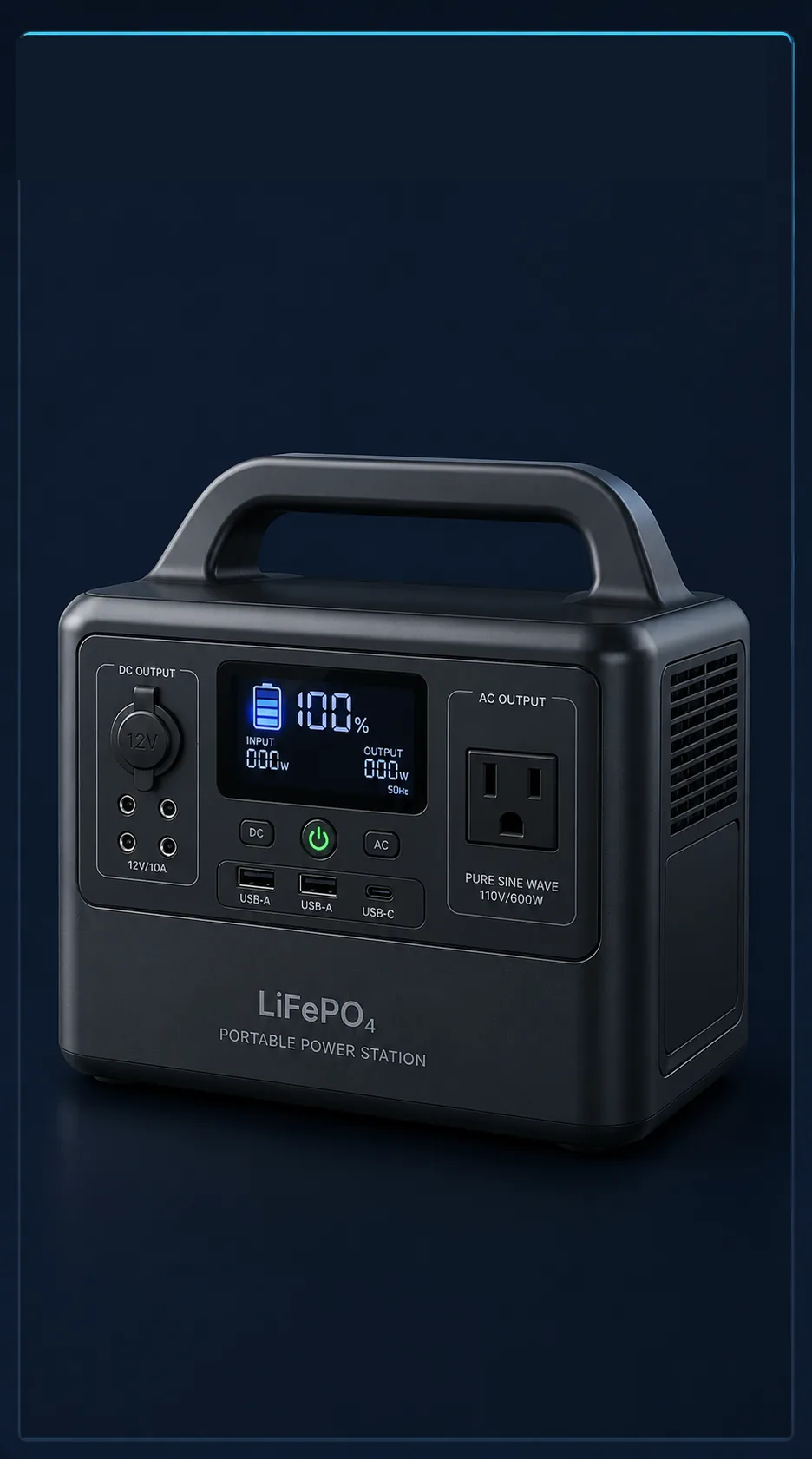
Home Backup Station portable LiFePO₄ power unit
Home Backup Station
512Wh – 1.2 kWh
₱28K–₱48K
Plug-and-play LiFePO₄ power station for fridge, lights, fans, and modem during brownouts. MPPT solar input for daily recharge. Ideal gateway product before a full rooftop install.
2× AC USB-C PD 12V DC 200W solar in ≤12 kg
Rent-to-own from ₱1,200/mo · 24 months
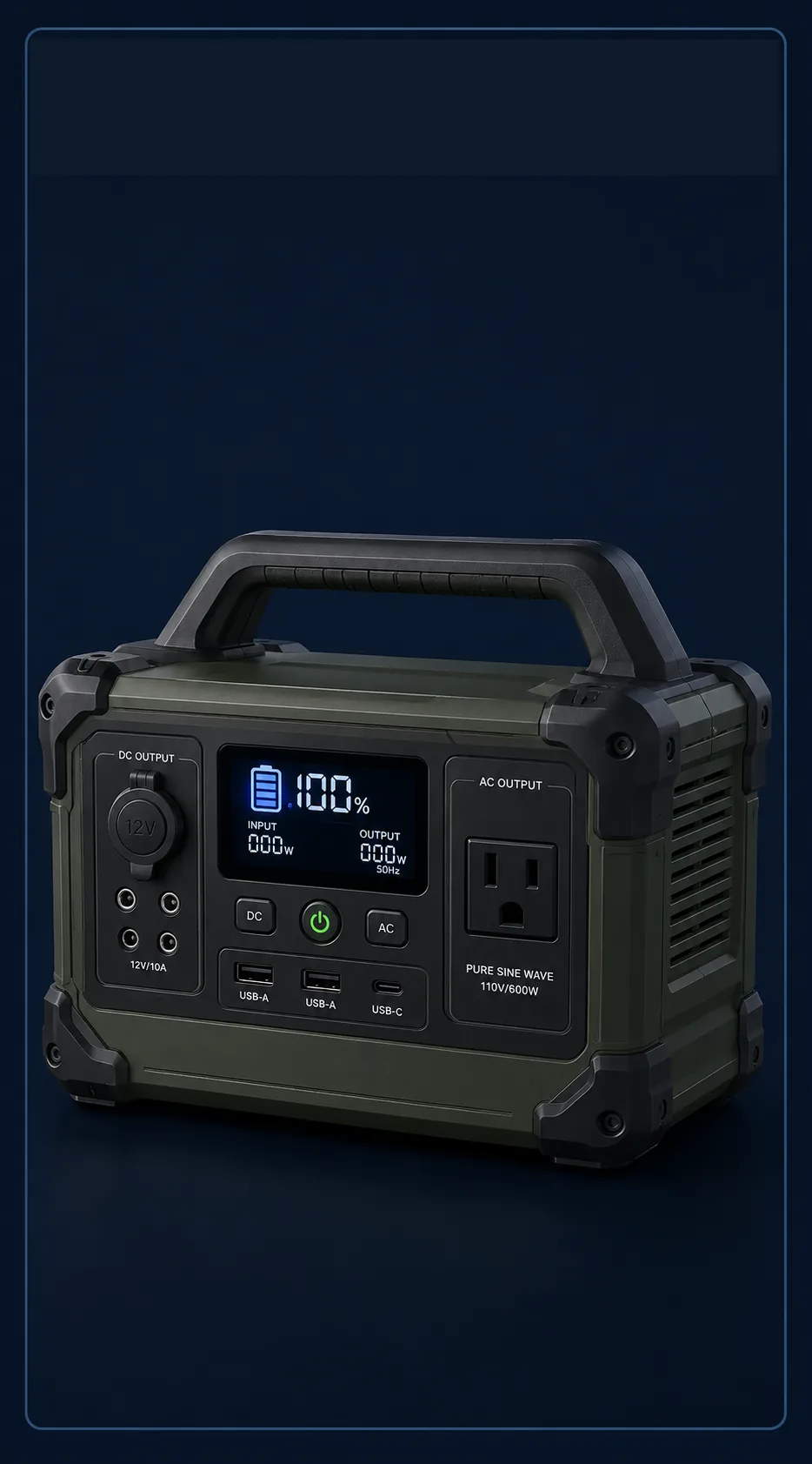
Farm Outdoor Power Pack rugged portable station
Farm / Outdoor Power Pack
1.5 – 2.5 kWh
₱65K–₱110K
Rugged portable station for irrigation controls, poultry lighting, field tools, and post-typhoon field ops. Dual AC + DC outputs with fast solar recharge.
3× AC Anderson DC 400W solar in IP54 case ≤22 kg
Rent-to-own from ₱2,400/mo · 24 months
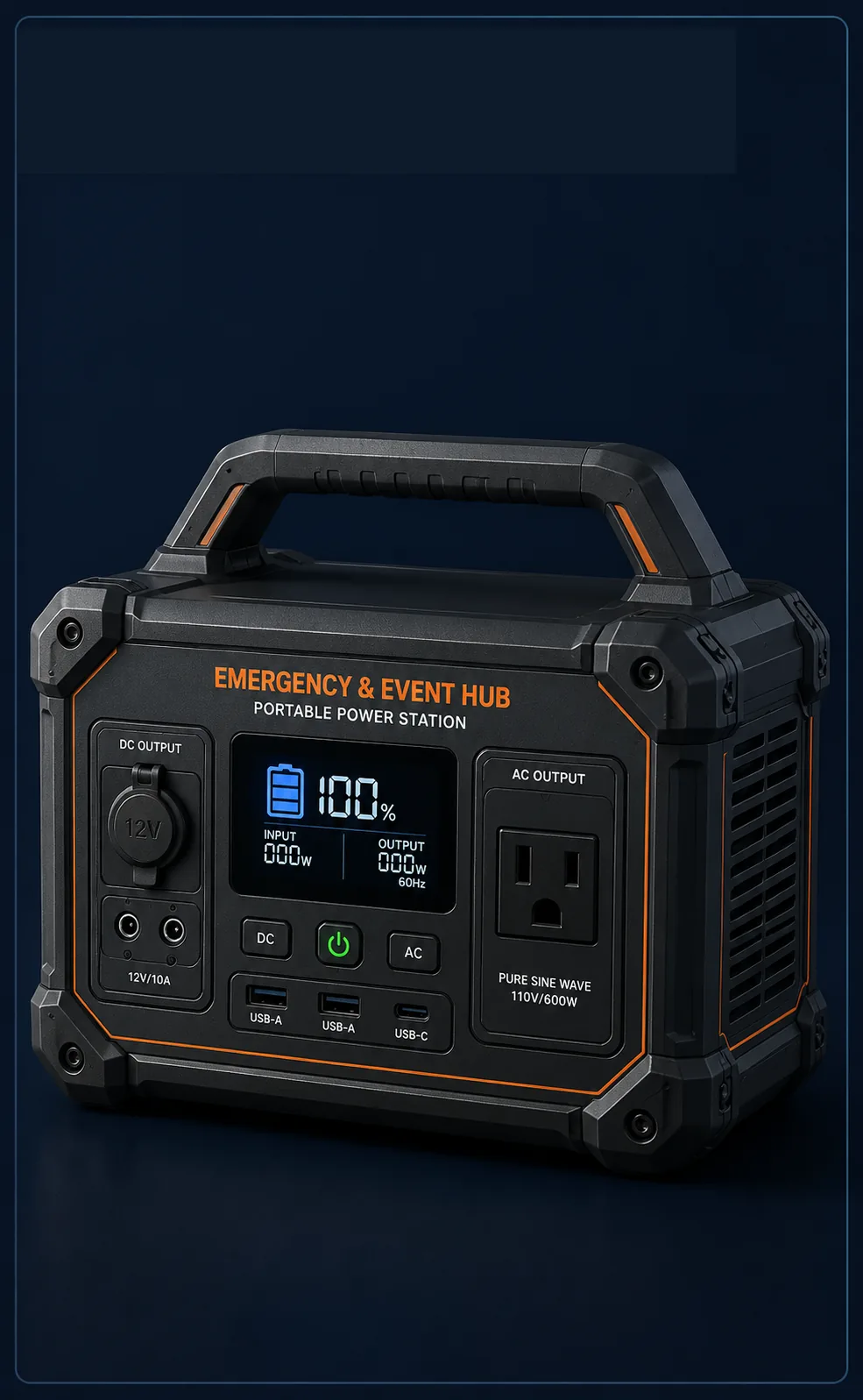
Emergency and Event Hub portable power station
Emergency & Event Hub
3 – 5 kWh
₱130K–₱200K
High-capacity mobile power for barangay halls, sari-sari stores, resorts, and disaster response. Parallel-ready for expansion and compatible as overflow backup for fixed hybrid systems.
4× AC Parallel link 600W solar in 240V split ≤35 kg
Rent-to-own from ₱4,500/mo · 24 months
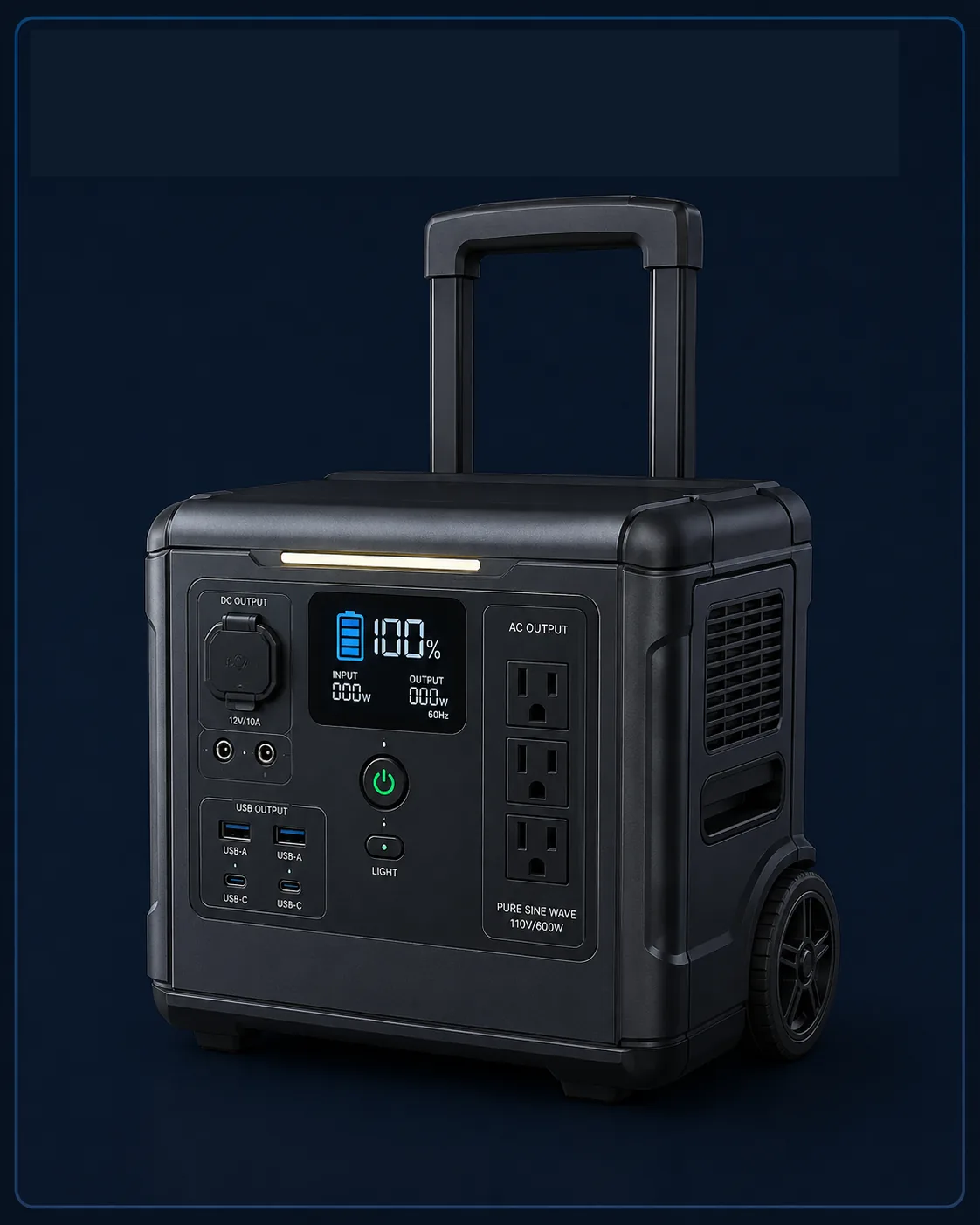
Resort Mobile Power wheeled silent backup unit
Resort Mobile Power
2 – 4 kWh · wheeled
₱95K–₱165K
Silent mobile power for beach events, island hopping, outdoor dining, and guest-area backup. Replaces diesel gensets — no fumes, no fuel runs, eco-branding ready for resort marketing.
3× AC Wheeled cart 500W solar in Quiet <45 dB ≤28 kg
Rent-to-own from ₱3,200/mo · 24 months
Resort quote →
🏛 LGU & Merchant Bundles
Priority · LGU Procurement
Barangay Emergency Kit
6 kWh total · disaster-ready
₱280K–₱350K
2× Emergency Hub (3 kWh), 2× foldable 200W solar panels, 4× LED flood lights, extension cables, deployment checklist, and 1-year Monitoring SaaS Lite for fleet tracking during typhoon season.
MSME · Merchant Pack
Sari-Sari Store Pack
1 kWh · store essentials
₱55K–₱75K
1× Home Backup Station, chest-freezer timer controller, clean-backup signage, and merchant onboarding support — keep sales running through brownouts without diesel fumes or fuel runs.
Co-op · 10% Bulk Savings
Farm Co-op Bulk Pack
10 units · 25 kWh total
₱580K–₱720K
10× Farm / Outdoor Power Packs, 1× shared 2 kW solar recharge hub, co-op deployment training, and fleet Monitoring SaaS Lite — built for irrigators associations, poultry co-ops, and agri-resort clusters across Capiz and Iloilo.
Request co-op quote →
Rent-to-Own · No large upfront

Portable stations available on 12–24 month plans from ₱1,200/mo. Includes warranty, solar recharge guidance, and optional Monitoring SaaS Lite (₱299/mo). Ideal for households and MSMEs waiting on full EPC assessment.

Trade-In Credit · Upgrade path

Purchase or complete rent-to-own on any portable unit and receive up to 15% credit toward Solar Only or Hybrid EPC within 24 months. Modular design means your portable solar panels carry forward to the fixed install.

Runtime Calculator

Estimate brownout runtime based on battery capacity and your essential loads (85% inverter efficiency).

Select loads to estimate runtime
Portable vs Genset vs Hybrid

Why portable LiFePO₄ is the smart entry — and where full EPC wins long-term.

Portable Diesel Genset Full Hybrid
Upfront cost₱28K–₱200K₱15K–₱80K₱180K–₱2.2M
Fuel / running costNone · solar recharge₱500–₱2K/day fuelNone · generates power
NoiseSilentLoud · exhaustSilent
Typical runtime4–24 hrs (load-based)Until fuel runs out24/7 · year-round
Bill reductionBackup onlyBackup only60–80% savings
Upgrade path→ Solar / Hybrid EPCNoneModular expand
MonitoringSaaS Lite optionalNoneFull SaaS bundled
↓ Portable stations pair with rooftop solar panels — trade-in credit up to 15% toward full Solar Only or Hybrid EPC within 24 months
O&M Contracts
₱24K–₱120K / year
Annual PM, remote monitoring, 24-hr SLA, warranty. Covers both Solar Only and Hybrid installations.
Engineering & Consulting
₱15K–₱80K
Feasibility studies, hydro site assessment, permitting support, LGU technical assistance.
⚙ Highest Margin · 60–75% Gross

Monitoring SaaS: the recurring engine behind every install.

Every system we deploy ships with a connected monitoring dashboard — real-time generation, battery health, hydro flow rate, and remote fault alerts. It's the product that turns a one-time EPC sale into years of recurring revenue, and it's our highest-margin line by a wide margin.

  • Live solar + hydro output tracking via mobile and web dashboard
  • Automated fault detection and maintenance alerts — fewer site visits, faster response
  • Tiered subscription bundled into every O&M contract, renewing automatically each year
  • Foundation for future fleet-wide analytics as the installed base scales across Region VI
60–75%
Gross margin — by far the highest of any revenue stream
₱1,200–₱3,600
Monthly subscription per site, scaling with system size
100%
Attach rate — bundled with every O&M contract by default
System Components

Every component. Specified.

Our hybrid systems use only Tier-1, internationally certified equipment — each component selected for Philippine climate conditions, typhoon resilience, and long-term serviceability in Western Visayas.

Component Technology Used Key Specification Notes
Solar PV Panels Monocrystalline PERC / TOPCon 450–580W · 21–22.5% efficiency Tier-1 bankable, typhoon-rated mounting (250 km/h), <0.5%/yr degradation, 25-yr performance warranty
MPPT Charge Controller Max Power Point Tracking 98.5% tracking efficiency Dual-input capable (solar + hydro), wide Voc input range, temperature-compensated charging
Hybrid Inverter Pure sine wave · grid-tie or off-grid 1–50 kW · 48V / 96V DC bus Manages solar, hydro, battery, and grid inputs simultaneously; auto-mode switching; 10-yr warranty
Battery Storage LiFePO₄ (Lithium Iron Phosphate) 5–15 kWh · 5,000+ cycles · 95% RTE Non-flammable, BMS-protected, 10-yr warranty, modular expansion up to 45 kWh per site
Rainwater Harvesting Gutter + downspout collection Min. 3 m vertical head drop Standard for 1–2 storey buildings; collection area scales with roof footprint
Debris Filtration Stainless steel mesh leaf-guard 100–200 micron screen Prevents leaf, moss, and sediment clogging; self-cleaning design; inspected every 6 months
Water Storage Tank HDPE elevated tank 500 L – 5,000 L capacity Dual-purpose: feeds micro-hydro turbine + secondary household use (sanitation, irrigation)
Micro-Hydro Turbine Pelton wheel / cross-flow impulse 50–500 W output IP65-rated, stainless shaft, 5-yr warranty, inspected bi-annually for bearing wear
Monitoring System IoT cloud dashboard (SaaS) Real-time · mobile + web Tracks solar yield, hydro flow rate, battery SoC, load consumption; remote fault alerts; ₱1,200–₱3,600/mo
IoT Sensors (Roadmap) Flow, pressure, temperature sensors Future integration Planned for v2 platform — enables predictive maintenance, AI-based mode optimization, and fleet analytics

* All component specifications are illustrative ranges. Final BOM is confirmed at project design stage based on site assessment, load profile, and client budget. Warranty terms subject to OEM policies.

Competitive Advantage

Why we win where others can't.

No single competitor in Region VI matches our full capability set — and the most important advantage can't be replicated from outside the region.

🌧️
Rain-Hydro Integration
No competitor in Region VI offers combined solar + rain-fed micro-hydro. Our turbine generates power while others' systems are idle during overcast days.
💧
Dual Water + Energy Value
Clients receive potable/agricultural water supply AND energy generation from a single infrastructure investment. Two problems, one system.
📍
Deep Local Roots
Capiz-based team with active municipal and barangay relationships across Capiz, Iloilo, and Antique — accelerating permitting, trust, and referrals. Impossible to replicate quickly from outside the region.
🏆
First-Mover in Region VI
No dominant local player in Region VI solar-hydro EPC. Early client base and O&M contracts create switching costs and referral networks before national players take notice.
Market Opportunity

A ₱683B economy with a critical energy gap.

Region VI has emerged as the fastest-growing region in the Philippines — and its grid is failing to keep up.

₱683B
Region VI GRDP
Fastest-growing region in PH (6.4% vs. 4.4% national average according to recent PSA data)
880MW+
Grid Capacity Offline
Visayas grid capacity offline May–June 2026. Rotational brownouts across Panay and Guimaras.
₱15.7
Peak Rate / kWh (WESM, Apr 2024)
Off-grid hybrid systems lock in ₱5–7/kWh effective cost — 50%+ savings driving commercial demand.
35%
DOE 2030 RE Target
16,466 MW in indicative pipeline across the Visayas. Government mandates accelerate private adoption.
Why Region VI First
Grid Crisis = Structural Demand
14 Visayas power plants forced offline in May 2026. 880MW+ unavailable. Businesses and farms are urgently self-generating — demand is now pull, not push.
Capiz Rainfall is a Resource
2,400mm/year average rainfall makes Capiz ideal for rain-fed micro-hydro. No other province in Panay has this combination of high electricity cost and high precipitation.
Agriculture Sector = Natural Anchor Clients
5,000+ registered farms across Panay. High energy cost per kilo of produce makes the ROI case compelling — 4–6 year payback at current rates.
133 LGUs Under RA 9513 Mandate
The Renewable Energy Act mandates LGU RE adoption. 133 municipalities across 5 Panay provinces represent a structured institutional pipeline.
For investors & partners

Pre-seed hybrid energy opportunity

Traction, financial projections, venture portfolio upside, and team overview — available in our dedicated investor brief.

Pre-seed stage ₱12M Yr 1 target 14 pipeline prospects 60–75% SaaS margin 4 venture upside options

Financial projections and pipeline figures are illustrative and subject to change. Detailed materials available under NDA.

Common Questions

Frequently asked questions.

A quick glossary for terms used throughout this page — straightforward answers for homeowners, farm operators, LGUs, and investors alike.

Solar Only systems generate power during daylight hours using rooftop panels and battery storage. Hybrid systems add a rain-fed micro-hydro turbine that keeps generating power at night and during cloudy, rainy weather — exactly when solar output drops. Solar Only installations can be upgraded to Hybrid later without reinstalling existing equipment.
Rain-hydro uses captured rainwater runoff — from rooftops or small catchments — to spin a downspout micro-turbine and generate electricity. For reliable performance, the system requires a vertical head drop of at least 3 meters (standard roof-to-ground height) and features an integrated stainless steel mesh debris filter to prevent leaf and sediment clogging. Capiz receives roughly 2,400mm of rainfall per year, among the highest in Panay. The turbine functions as a critical wet-season trickle-charger for the shared battery bank — keeping it topped up overnight and during heavy cloud cover — naturally complementing solar which peaks on dry, sunny days. Water exiting the turbine can also be funneled into harvesting tanks for household sanitation or garden irrigation, turning runoff into a dual-purpose resource.
Most clients see a 60–80% reduction in their monthly electricity bill, with some achieving full off-grid independence. Savings depend on system size, household or facility consumption, and how much of your load is shifted to self-generated power.
EPC stands for Engineering, Procurement, and Construction. It means we handle the entire project under one contract — design, equipment sourcing, installation, and commissioning — so you deal with a single accountable provider rather than coordinating separate suppliers and contractors.
It's a connected dashboard that tracks your system's solar and hydro output, battery health, and flags maintenance issues remotely — for homeowners, farms, and LGUs alike. It's bundled into every Operations & Maintenance (O&M) contract as a standard subscription, so most clients have it by default.
O&M (Operations & Maintenance) is an annual service contract covering preventive maintenance, remote monitoring, a 24-hour service-level agreement for repairs, and warranty support. Pricing ranges from roughly ₱24,000 to ₱120,000 per year depending on system size and tier.
Capiz is our home base and initial focus market, but our current pipeline already includes prospects in Iloilo and Antique. The go-to-market plan expands across Region VI within 24–36 months post-funding and into the broader Visayas by Month 48–60.
WESM is the Wholesale Electricity Spot Market — the market where electricity is traded in real time at prices that can spike sharply during shortages. The DOE 2030 RE Target is the Department of Energy's goal for renewable energy to make up 35% of the country's power generation mix by 2030, which is driving policy support for projects like ours.
Timelines vary by system size and complexity, but most residential and farm installations are completed within a few weeks of site assessment and permitting. Equipment warranties and our 24-hour service-level agreement are included under the O&M contract.
Yes — and this is where hybrid outperforms solar-only. During overcast days, solar output drops to 20–40% of peak capacity but does not stop entirely, as diffuse light still drives the panels. More importantly, cloudy days in Western Visayas almost always bring rainfall, which simultaneously activates the rain-hydro turbine to trickle-charge the battery bank. The stored battery energy bridges any remaining gap. In practice, a correctly sized hybrid system maintains uninterrupted household power even through 3–5 consecutive overcast days.
Absolutely. The dry season (December–May) is actually peak solar season in Western Visayas, with 5.5–6.0 sun-hours per day in Capiz, Iloilo, and Antique. Solar generation during this period is 20–30% higher than wet-season output, fully compensating for the reduced hydro contribution. The rain-hydro turbine pauses during prolonged dry spells, but the oversized solar array and battery bank handle all loads comfortably. The hybrid design is intentionally seasonal — solar dominates in summer, hydro supplements in monsoon — so the system's annual energy yield is more consistent than solar-only alternatives.
Start Here

Request your free
site assessment.

Tell us about your home, farm, resort, or municipal project across Region VI. We will review your site, recommend Solar Only or Hybrid tiers, and outline expected savings.

Contact Information

Have questions or prefer to speak with our engineering team directly? Get in touch with us using any of the methods below.

Main Office Roxas City, Capiz 5800, Philippines
Business Hours Mon – Sat, 8:00 AM – 6:00 PM
Secure submission via PrimeTech Solutions contact system
Free Assessment